
 By
By 
A Functional Capacity Evaluation is often the most important four hours of your workers’ compensation claim. It can determine if you receive permanent disability benefits or if you are forced back into a job you can no longer perform. Many injured workers are unaware of common mistakes that lead to unfair denials. These errors often involve evaluators using outdated tests that do not match the physical requirements of your specific job.
The insurance company uses these reports to minimize your injuries and stop your checks. Evaluators sometimes misinterpret your effort or use general software that ignores your unique medical history. Legal guidance is vital before you step into the exam room. Oxner + Permar PLLC helps workers in North Carolina and South Carolina protect the integrity of their medical evidence. Our team works to make sure your physical limits are recorded accurately so you do not lose the benefits you deserve.
Evaluator Failure To Assess Job Specific Demands
Generic evaluations often rely on a template that ignores the physical realities of your specific job. A mechanic who spends hours reaching overhead or a construction worker who must crawl through tight spaces cannot be accurately judged by a simple lifting test in a clinic. If the evaluator does not tailor the exam to your actual work duties, the results will likely fail to capture your true level of disability. This mismatch creates a false narrative that you are fit for duty when you are actually at high risk for reinjury. Standardized tests are frequently used by insurance companies to justify a quick return to work.
The danger of a non-specific evaluation lies in its inability to simulate the complex movements required in trades and industrial roles. Many evaluators use basic strength metrics that do not account for the endurance or specialized postures your employer expects. For example, being able to lift a box off a table once does not mean you can safely handle heavy equipment on an unstable surface for an eight-hour shift. When these specific job demands are ignored, the resulting report is often medically flawed and legally vulnerable. Oxner + Permar PLLC works to expose these gaps in testing to protect your right to fair benefits.
- The test fails to include overhead reaching or repetitive twisting required by your trade.
- The evaluator uses light weights that do not reflect the heavy materials you handle daily.
- The exam duration is too short to measure your physical stamina for a full work day.
- The report ignores environmental factors like climbing ladders or working on uneven ground.
An inaccurate evaluation can lead to a premature denial of your workers’ compensation claim. Insurance adjusters often treat these generic reports as absolute truth, even when the test bears little resemblance to your actual career. You need a legal team that understands how to challenge these errors and demand an accurate assessment of your abilities. Oxner + Permar PLLC helps injured workers in North Carolina and South Carolina navigate these complex medical hurdles. Having an advocate who knows the common pitfalls of these exams can make a significant difference in your recovery and your financial security.
Flawed Sincerity Of Effort Testing Methods
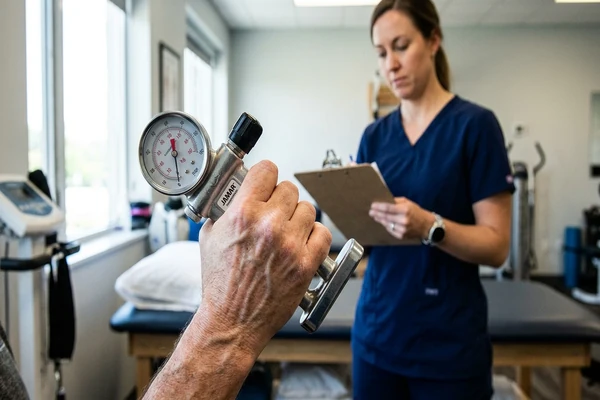
One of the most common mistakes in a functional capacity evaluation is the reliance on the Bell Shaped Curve to measure grip strength. This mathematical model assumes that a person will show a specific pattern of force across five different handle positions. Many evaluators believe that if your results do not fit this exact curve, you are not trying your best. This approach is scientifically flawed because it does not account for hand size, specific injuries, or chronic pain levels. A truthful worker can fail this test simply because their physical limitations do not match an outdated formula.
When an evaluator uses these unreliable methods, they often label the injured worker as a malingerer. This label suggests you are faking or exaggerating your symptoms for financial gain. Being branded with a lack of sincerity of effort can devastate your workers’ compensation claim. It gives the insurance company a reason to stop your benefits or deny future medical care. Oxner + Permar PLLC understands how these unfair assessments can ruin a valid case.
The legal team at Oxner + Permar PLLC knows that many sincerity of effort tests fail to meet modern medical standards. These tests often ignore the factors that influence how a person moves when they are in pain. Protecting the integrity of your medical evidence is vital for a successful outcome in North Carolina or South Carolina. You should not let a flawed mathematical model determine your ability to provide for your family. Professional legal guidance can help challenge these inaccurate findings and hold the insurance company accountable.
Ignoring Pain Tolerance Over Full Work Shifts
A common error in many evaluations is the failure to account for how pain accumulates over a full work shift. An evaluator might see you lift a heavy box once and conclude you are fit for manual labor. This snapshot approach ignores the reality of chronic injury and physical fatigue. Being able to perform a task one time does not prove you can repeat it safely for eight hours. Real world jobs require sustained endurance that a brief test cannot always capture.
Many evaluations focus strictly on physical mechanics while ignoring the role of pain tolerance. When you push through a test for five minutes, the evaluator may not see the spike in pain that occurs three hours later. This oversight often leads to reports that overstate your actual ability to return to the workforce. You may find yourself cleared for full duty even though your body cannot handle the repetitive stress of a normal day. These misleading results can jeopardize your health and your claim for benefits.
Workers often face specific challenges when an evaluation fails to consider the long-term effects of repetitive motion. Oxner + Permar PLLC understands how these flawed assessments can lead to unfair denials of workers’ compensation. The firm helps clients present an accurate picture of their limitations to the insurance company. It is vital to document how your physical restrictions are determined from the start of a task to the end.
- The test does not account for the cumulative strain on your joints and muscles.
- Short bursts of activity do not reflect the exhaustion of a forty-hour work week.
- Medication side effects during a full shift are often left out of the report.
- Increased pain levels late in the day can lead to a higher risk of re-injury.
An accurate assessment must look beyond a single moment in time to see the full picture of your disability. If an evaluator ignores your pain levels over a sustained period, the final report will be fundamentally flawed. Legal guidance is often necessary to challenge the findings of a standard evaluation. Oxner + Permar PLLC works to protect your rights when medical evidence does not match your physical reality. Proper documentation of your endurance is a key part of securing the benefits you deserve.
Legal Protection Against Inaccurate FCE Results

An inaccurate FCE report can lead to the immediate termination of your workers’ compensation benefits. Insurance companies often use these technical documents to claim you have reached maximum medical improvement or can return to work before you are ready. These reports are not always final or correct. Legal professionals at Oxner + Permar PLLC review these evaluations to find procedural errors and clinical inconsistencies. Our team looks for signs that the evaluator ignored your pain levels or used outdated testing methods. Catching these mistakes early is the only way to stop an unfair denial of your claim.
A detailed legal review focuses on whether the test actually matched the physical requirements of your specific job. Many evaluators use general tests that fail to account for the heavy lifting or constant movement your daily work requires. If the testing environment did not simulate your real-world duties, the results are often legally invalid. Oxner + Permar PLLC helps you challenge these biased findings by pointing out where the evaluator failed to follow proper medical protocols. This oversight protects you from being forced back into a job that might cause further injury.
The process of disputing an evaluation involves a careful analysis of the data collected during your exam. Technical errors in how the evaluator measured your effort or strength can change the entire outcome of your case. You should look for these common red flags when reviewing your FCE results:
- The evaluator used general standards instead of your specific job description.
- The report claims you did not give full effort based on subjective observations.
- The testing session was too short to accurately measure your physical endurance.
- The evaluator ignored your reports of increased pain during specific movements.
Taking quick action after a bad evaluation is vital for your financial and physical recovery. Insurance adjusters move fast once they receive a report that favors their bottom line. Working with Oxner + Permar PLLC allows you to present a strong rebuttal before the insurance company cuts off your checks. We understand the laws in North Carolina and South Carolina regarding medical evidence and workers’ rights. Our guidance helps you navigate the complex legal system while you focus on getting better.
Challenging Inaccurate Functional Capacity Reports
An inaccurate report does not have to be the final word on your disability claim. Many workers feel defeated when an evaluator claims they are exaggerating their pain or underperforming during physical tests. These exams are often flawed because they fail to account for the daily reality of your specific job duties. You have the right to challenge these findings with the help of legal professionals who understand medical evidence. Oxner + Permar PLLC works to protect the integrity of your claim by identifying where these tests fall short.
Professional oversight is the best way to prevent a single bad exam from ending your benefits. Insurance companies often use these reports to force people back to work before they are physically ready. This can lead to new injuries or permanent damage that ends your career. You must stay informed and proactive about how your physical limits are recorded. If you are worried about how an exam might affect your future, you should hire an attorney to protect your livelihood.
The legal team at Oxner + Permar PLLC understands the stress of dealing with insurance adjusters and biased medical exams. Mistakes in these evaluations are common, but they can be corrected with the right evidence and testimony. Your focus should be on your recovery while experts handle the technical details of your case. Taking the right steps now helps move your claim toward a fair resolution. Sometimes, getting a second opinion is the only way to ensure your medical records reflect the true extent of your injuries.
Frequently Asked Questions
1. What is a Functional Capacity Evaluation and why does it matter?
A Functional Capacity Evaluation is a physical test that measures your ability to perform work tasks. It is often the most important four hours of your workers’ compensation claim. The results determine if you receive disability benefits or if you are forced back to a job you cannot do.
2. How do evaluators fail to assess job specific demands?
Many evaluators use templates that ignore the specific physical needs of your role. A construction worker or mechanic has unique duties that a basic lifting test cannot simulate. If the exam does not match your real work duties, it will fail to show your true level of disability.
3. Can the insurance company use this evaluation against me?
Yes, insurance companies use these reports to minimize your injuries and stop your checks. They often look for any reason to justify a quick return to work. An inaccurate report creates a false narrative that you are fit for duty when you are actually at risk for reinjury.
4. Why do evaluators sometimes misinterpret patient effort?
Evaluators may use general software that ignores your unique medical history or pain levels. They might mark you as uncooperative if the software does not understand your specific physical limits. This can lead to an unfair denial of your benefits.
5. What should I do before I attend my evaluation?
You should seek legal guidance before you step into the exam room. Our team helps workers in North Carolina and South Carolina protect the integrity of their medical evidence. We work to make sure your physical limits are recorded accurately so you do not lose what you deserve.
6. What happens if the evaluation results are wrong?
Incorrect results can lead to an unfair denial of your permanent disability benefits. You might be forced back into a job that causes you more pain or leads to another accident. Professional legal help is necessary to challenge these mistakes and correct the record.
About Our Business
Oxner + Permar PLLC is a personal injury law firm serving clients throughout North Carolina and South Carolina with a primary focus on workers’ compensation, social security disability, and serious injury claims. The firm specializes in complex cases involving spinal cord injuries, wrongful death, and motor vehicle accidents across multiple regional offices. They differentiate themselves through a commitment to aggressive representation and a dedicated approach to “making wrongs right” for injured individuals.
Oxner + Permar PLLC
629 Green Valley Rd, Greensboro, NC 27408
Phone: (336) 274-4494
Website: https://www.oxnerpermarlaw.com










Comments