
 By
By 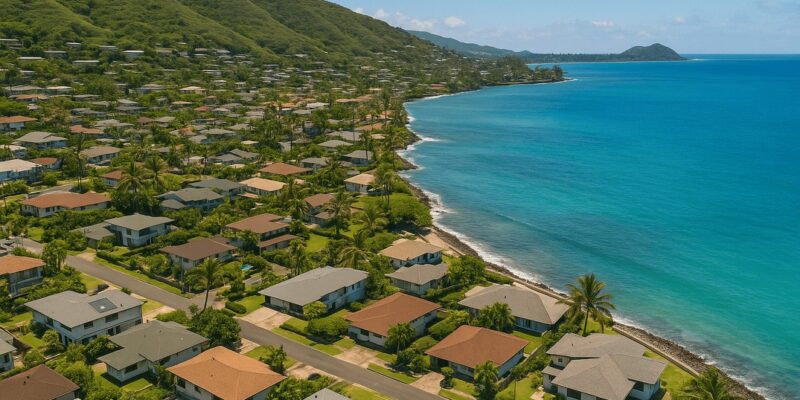
Honolulu’s housing market occupies a particular position in any conversation about foreclosure. Property values on Oahu are among the highest in the country, the demand for housing is consistent year-round, and the equity most homeowners carry in their properties is substantial. On the surface, that sounds like a situation that insulates homeowners from the worst foreclosure outcomes. In practice, it means the stakes are considerably higher, because the asset at risk is worth more than almost anywhere else in the country, and the consequences of losing it are correspondingly more severe.
According to the Honolulu Board of Realtors, the median single-family home sale price on Oahu rose 12.2% year-over-year in August 2026. ATTOM data from July 2026 recorded 71 foreclosure filings across Hawaii, placing the state 41st among all states for foreclosure rate. In Honolulu County specifically, which consistently accounts for the largest share of Hawaii’s foreclosure activity, that figure represents real families facing the loss of properties that in many cases represent the most significant financial asset they own.
For Honolulu homeowners in that situation, understanding the legal process and the options available is not an academic exercise. It is a practical necessity. The time to consult with a foreclosure defense Honolulu attorney is not after the Motion for Summary Judgment has been filed. It is as soon as a notice of default arrives, or ideally before.
Why Honolulu’s Property Values Change the Foreclosure Calculation
Most foreclosure defense strategies exist on a spectrum defined largely by two variables: how much equity is in the property, and how far the mortgage balance deviates from the property’s current market value. In Honolulu, those variables produce outcomes that look different from most mainland markets.
A homeowner whose property is worth significantly more than the mortgage balance has genuine equity to protect. In that situation, losing the property to a foreclosure auction is not just a housing disruption. It is a wealth event that can be difficult to recover from, particularly in a market where re-entry at similar price points requires the kind of capital that most people who have just been through foreclosure do not have available. For these homeowners, defending the foreclosure aggressively and buying time to sell at a non-distressed price, or to refinance and cure the default, is often the economically rational strategy.
On the other side of the equation, a homeowner whose mortgage balance exceeds the property’s current market value, sometimes called being underwater, faces a different set of considerations. In that scenario, foreclosure defense combined with a loan modification strategy can apply pressure on the lender to agree to terms that reduce the loan balance to the property’s actual fair market value, adjust the interest rate, and extend the repayment term significantly, resulting in a monthly payment the homeowner can realistically sustain.
The Judicial Process in Detail
Most residential foreclosures in Honolulu proceed through Hawaii’s judicial foreclosure track, which means the lender must file a Complaint in Circuit Court and serve the homeowner before the process can advance. The homeowner then has 20 days from the date of service to file an Answer. That 20-day window is one of the most critical deadlines in the entire process, because missing it typically results in a default judgment that removes most of the legal defense options that would otherwise be available.
Once an Answer is filed, the case goes into discovery. During this period, which can extend from several months to considerably longer depending on the complexity of the case and the lender’s approach, several important things can happen:
- The homeowner’s attorney can scrutinize the lender’s documentation for procedural errors, assignment chain problems, or evidence of wrongful conduct that may support a strong defense
- The homeowner can apply for loan modification with the lender, using the ongoing litigation as negotiating leverage
- A Chapter 13 bankruptcy filing can be used to pause the proceedings at any point before the judge signs the final Order Granting the foreclosure sale
- The parties can negotiate a resolution outside court, including a repayment plan, short sale, or deed in lieu of foreclosure
The Motion for Summary Judgment: The Phase That Determines Leverage
The Motion for Summary Judgment filed by the lender is the stage that most consequentially shapes what happens next. If the court grants it, the lender receives a foreclosure judgment and the process moves toward auction. If it is defeated, the case continues to trial and the homeowner’s negotiating position improves significantly, because the lender now faces the prospect of a full trial and the associated cost and uncertainty.
To defeat a Motion for Summary Judgment, you need to convince the court that there are genuine issues of material fact to be determined at trial. In foreclosure cases, those issues can arise from problems with the chain of title on the loan, errors in how the foreclosure was initiated or served, or evidence of misconduct by the lender or servicer. Identifying and presenting those issues effectively requires legal experience with Hawaii’s specific foreclosure statutes and the courts where these cases are heard.
What Honolulu Homeowners Often Wait Too Long to Do
The pattern that attorneys who handle foreclosure defense in Honolulu see consistently is that homeowners wait. They wait to see if the lender will work something out informally. They wait because the foreclosure process feels abstract until it suddenly isn’t. They wait because engaging an attorney feels like an admission that the situation is real, which it already is.
The practical consequence of waiting is that options narrow at every stage. The 20-day Answer deadline cannot be extended by hoping the situation will change. The window to file bankruptcy before the judge signs the final Order does not wait for the homeowner to feel ready. The negotiating leverage that comes from being an active, defended party in a foreclosure case is only available to homeowners who are actually participating in the case.
Hawaii’s judicial foreclosure process is, by design, slower and more procedurally complex than non-judicial foreclosure in other states. That complexity is not an obstacle for homeowners who engage it with proper representation. It is a series of structured opportunities to contest, negotiate, and find a resolution that preserves as much as possible of what the homeowner has built. The homeowners who use those opportunities effectively are the ones who act early rather than waiting until the court’s calendar makes the decision for them.











Comments